
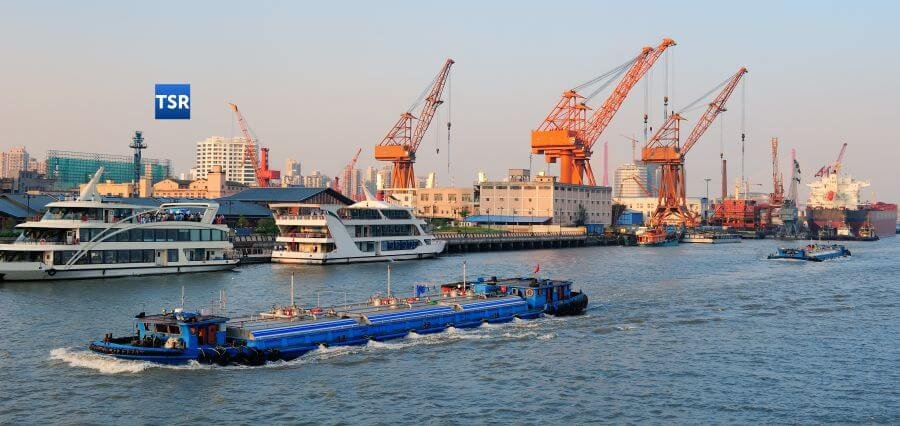
The maritime sector has been one of the major facilitators of global trade, breaking geographical barriers, and allowing the unfettered exchange of goods worldwide. In essence, the industry has been a major enabler of globalization through its vast network of shipping routes that crisscross the globe. However, the industry has not been static as technological innovation, stricter regulations, and shifting global economic dynamics have taken the center stage, leading to a radical change of the industry’s landscape. The success of these entities depends on deep market knowledge as that determines decision-making practices and resource allocation. Moreover, companies are faced not only with numerous operational tasks but also with various risks that come from deviating trends in their trade. Today, these trends mainly achieve the operational side of the shipping sector while at the same time ensuring the safety of its vessels and crew. On top of that, the trends have a lasting influence on the environmental impact of shipping, the competitiveness of firms, and their ability to plan for the future. The rise and fall of the shipping industry have mainly reflected changes in the industry’s operations.
Tech-Driven Transformation
One of the most prominent features of smart shipping is performance monitoring that provides users with a clear and accurate view of what is currently going on with the vessel. Predictive maintenance complements the process by giving them a tool to foresee a problem or a condition and plan their operational functions accordingly. The ports are undergoing a significant digital transformation. They are pouring money into automated cranes, robots, and intelligent traffic management systems in an effort to be more productive and to shrink their turnaround times. The wants for precision in operations, cost-cutting, high performance, and safety have been the primary driving factors behind the change of the industry.
Data-driven decision-making has become one of the main reasons for the significant impact on the shipping sector’s strategic planning. Advanced shipping analytics are used to forecast demand, routing and fuel consumption and thus create advantages both financially and environmentally. The digital platforms that offer complete visibility of the supply chain have turned out to be vital not only in the facilitation but also in the control of the complex global trade. By taking advantage of technology, maritime stakeholders do not limit themselves to the enhancement of operational performance only but also to the building of resilience against market fluctuations and regulatory pressures. These technological breakthroughs are a clear signal that innovation is the key to the future of the maritime industry.
Environmental Sustainability
Environmental sustainability has been one of the most important concerns of maritime operations. Shipping is one of the most polluting sectors globally and is regulated by international and national law. The regulations imposed on shipping companies are driving them to cleaner operations, new energy sources, more efficient vessels, and carbon, neutral schemes. Consequently, the adoption of clean technologies in shipping, such as LNG, battery, powered ships, hybrid propulsion systems, and the use of alternative fuels, is being widely expanded to meet the common goal of global shipping carbon neutrality. The needs of the shipping industry must be the main focus while examining the changes in the maritime business. In essence, financial performance and market competitiveness now depend on environmental compliance.
The industry’s sustainability initiatives aim at a cleaner atmosphere and involve waste management, ballast water treatment, and ocean conservation. Stakeholders are ready to invest funds in research and development to find breakthrough solutions that have a lower environmental impact and maintain the operational efficiency at a high level. Port authorities are not staying have already started implementing the electrification of their equipment, the installation of shore power resources, and energy saving through the optimization of the logistics. The sum of all these actions presents the maritime sector as an eco- friendly steward and demonstrates that sustainability is the leading trend that is shaping the industry’s future.
Global Trade and Port Strategy
Global trade patterns have been the major driver that has continued to transform the maritime industry. As a result of rise in emerging markets, changes in trade agreements and geopolitical shifts, shipping routes and cargo flows have been reshaped. To meet the increasing trade volumes, strategic port development such as deep- water terminals, logistics hubs, and multimodal connectivity has become indispensable. The trajectory maritime infrastructure is adapting to the requirements of a rapidly changing global economy and at the same time, underscores the pivotal role of ports as the access points of the international trade.
Beyond port development, partnerships and collaboration among maritime stakeholders are becoming the lifeline of the maritime ecosystem. The formation of alliances in shipping, joint ventures, and public, private partnerships cover the operational efficiency and thus enable investment in large- scale projects. The technological adoption in the ports and shipping lines is in full harmony with the cargo movement and supply chain coordination. Grasping these changes is imperative when scrutinizing the maritime industry trends as they dictate the strategic decision- making that ensures competitiveness and adaptability in an increasingly interconnected global market.
Conclusion
The changes in the maritime industry over the years reflect how a whole system of technological innovation, sustainability, and global trade restructuring works in a tightly connected way. Those who wish to sail through this rapidly changing and complex environment successfully need to be very well acquainted with the trends in the maritime industry. By implementing digital technologies, eco-friendly operations, and smart infrastructural upgrades, maritime operators can not only improve their operational efficiency to a great extent but also cut the costs and even maintain their competitive edge in a fast-changing market. The revolution of the industry by the double-edged opportunities and challenges it faces will, thus, be a great source for the future growth and safety assurance to come in the form of the awareness of such trends.



Pingback: Right to be Forgotten: Growing Relevance in Data Privacy 2025