
Imagine inheriting a piece of land with no oil, no minerals, no farmable soil, and no rivers. The land is tiny. The population is poor. Unemployment is high. Neighbouring countries are larger, more resourceful, and frankly more confident about their own futures. Most people would look at that situation and see a dead end.
In 1965, that was Singapore. A small island city-state that had just been separated from Malaysia, almost against its will. The first Prime Minister wept on television when it happened. Not from joy, but from genuine fear about whether this place could survive at all. What followed over the next six decades is one of the most extraordinary economic stories the world has ever seen.
This blog discusses how rich Singapore came to be, what decisions shaped its rise, and why its journey continues to inspire nations and leaders across the world.
A Country That Had No Right to Succeed
When Singapore became independent, its economy ran almost entirely on entrepôt trade. Goods passed through its port on the way to somewhere else. That was it. Nearly 70% of the population lived in slums. Unemployment sat stubbornly in double digits. The idea of rich Singapore was not just distant. It seemed impossible.
Lee Kuan Yew, the country’s founding Prime Minister, understood this clearly. He also understood that sitting still was not an option. Within months of independence, his government began making decisions that would define the country for generations.
The First Step: Building Something From Nothing
The government brought in a team of United Nations economists to advise on development. Their recommendation was straightforward: industrialise fast and create jobs. The Economic Development Board was established and handed significant funding to build industrial estates from scratch.
Jurong, today a thriving business and industrial district, began as a stretch of swampy land. Early factories there produced garments, toys, and wigs. Not glamorous. But it put people to work and gave the economy a foundation to build on. This was the unglamorous starting point of what would eventually become rich Singapore.
The Decision That Changed Everything
Manufacturing put Singapore on the map, but it was the choice to go after foreign investments that really made the difference. Instead of trying to manufacture everything locally, Lee Kuan Yew welcomed foreign multinationals and turned Singapore into the most favorable business climate in the entire region.
Low taxes, easy company registration, strong intellectual property laws, and a sound legal framework sent a message to every business out there: Singapore is where to be. Companies like General Electric came early. Thousands more followed.
Lee also did something that set Singapore apart from almost every other developing nation at the time. He paid government officials high salaries specifically to eliminate the temptation of corruption. Singapore became one of the least corrupt countries in the world, and that reputation became one of its most valuable assets. Foreign businesses needed to trust where they operated. Singapore gave them every reason to.
The Numbers Tell the Story
How Singapore got so crazy rich becomes clear when you look at the data. GDP per capita stood at roughly US$500 at independence. By the early 1990s, it had climbed to US$14,500, a rise of nearly 2,800% in just over two decades. Today, that figure sits above US$55,000, placing Singapore ahead of most Western European nations.
That kind of growth does not happen by accident. It is the outcome of steady, long-run policy decisions from a government that put economic survival above everything else.
From Factory Floor to Financial Hub
Singapore’s economy changed as its labor force gained greater education and expertise. Financial services, technology, and logistics replaced manufacturing. The government deliberately directed investment into banking, shipping, and electronics. Singapore stopped being a transit point and started becoming a destination.
Today it ranks alongside New York, London, and Zurich as one of the world’s premier financial centres. Over 7,000 multinational corporations use Singapore as their Asian headquarters. Private banking, asset management, and fintech have all found a natural home in this city-state. Rich Singapore is not an accident of geography. It is the outcome of deliberate, sustained vision.
Its location did help. Sitting at the crossroads of major East-West trade routes, Singapore’s port became one of the busiest on the planet. Changi Airport grew into one of the world’s most connected aviation hubs. But location alone does not build a financial centre. Policy, trust, and infrastructure do.
What Made It Last
Understanding how Singapore got so crazy rich also means understanding what kept it rich. Several things worked together to make the growth sustainable.
Education was treated as a national priority from the beginning. The government has created an excellent system that is aimed at creating an adaptable workforce. The housing issue has been sorted out well, thanks to the public housing system that provided people with ownership of their houses. There has been harmony among the races in a community comprising many different ethnic groups. Most significantly, the government made long-term decisions at all times.
Rich Singapore did not emerge from a single moment or a single policy. It emerged from decades of disciplined, forward-thinking governance that never lost sight of what the country needed to become.
Singapore Today
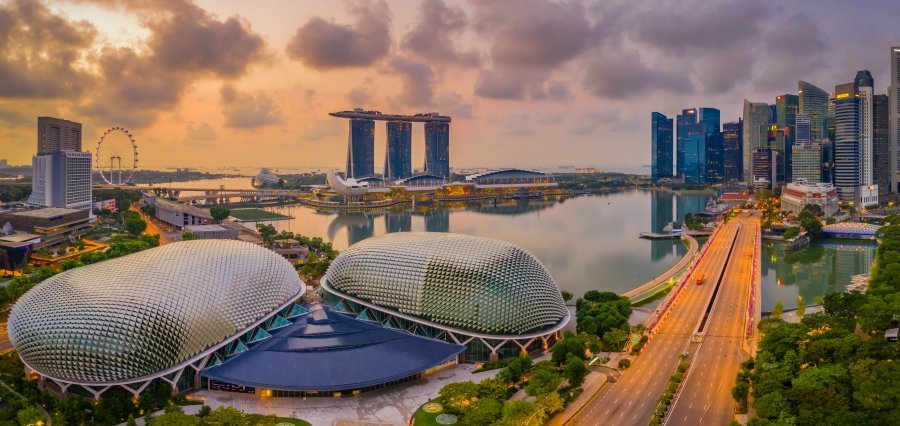
The city-state is now home to nearly six million people. Its sovereign wealth funds manage hundreds of billions of dollars globally. It consistently tops international rankings for competitiveness, ease of doing business, and quality of life. It is clean, connected, and extraordinarily functional.
How Singapore got so crazy rich is a question that economists, policymakers, and business leaders still study carefully, because the answer holds lessons that go far beyond one small island.
Conclusion: The Lesson of Rich Singapore
Rich Singapore did not happen because of luck or natural advantage. It happened because of vision, discipline, and a refusal to accept that small meant limited. From an impoverished port city devoid of any resources to one of the richest and most respected countries in the world, the journey of Singapore is a testament to the fact that it is possible to make something outstanding out of nothing through proper decisions.